
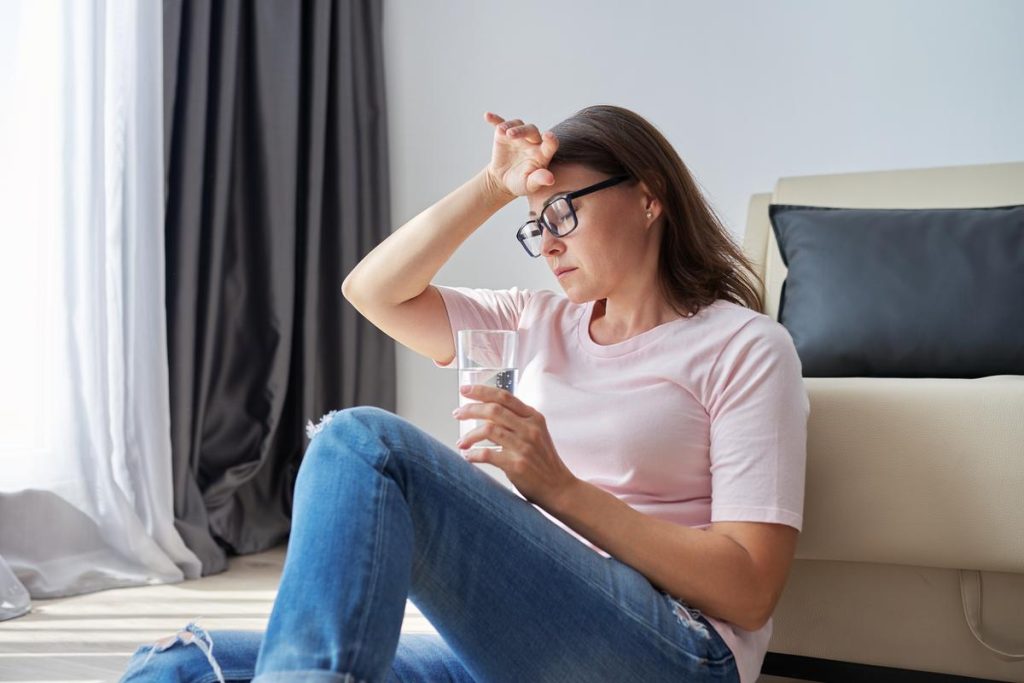
- Transitioning into menopause can often give rise to unpredictable emotions such as anxiety and panic attacks.
- The premenopause, or the period preceding up to menopause, is generally marked by several symptoms that can affect women to varying degrees.
- These symptoms are produced by sudden changes in your body's hormone levels, particularly the reduction of hormones that are important for reproductive health.
Transitioning into menopause can often give rise to unpredictable emotions such as anxiety and panic attacks. The premenopause, or the period preceding up to menopause, is generally marked by several symptoms that can affect women to varying degrees. These symptoms are produced by sudden changes in your body’s hormone levels, particularly the reduction of hormones that are important for reproductive health. A woman’s body goes through major physical and emotional changes during premenopause, which can, understandably, lead to mental health issues. To find more about the connection between menopause and anxiety keep reading the article below.
Menopause is a normal part of the aging process where women stop having periods regularly. It is the end of the reproductive cycle of a woman which has been in function since puberty. The female reproductive system consists of a pair of ovaries that generate and store eggs, the ovaries also produce the hormones estrogen and progesterone which are responsible for controlling the process of menstruation. Menopause occurs when the ovaries no longer produce eggs regularly and women stop menstruating. Mostly, women undergo menopause during the age of 40 to 50 years. Symptoms of menopause can include:
- Uneven menstrual cycle/missed period
- Sore breasts
- Vaginal dryness
- Weight gain
- Hair loss
- Dry skin, among others.
The estrogen and progesterone hormones play a crucial role in the overall mood and behavior of women throughout the puberty cycle. The levels of estrogen drop during menopause significantly which can give rise to anxiety. Fear of aging, infertility, and body image can give rise to symptoms of anxiety that can include panic attacks as well.
Panic attacks and anxiety are slightly different although it can be difficult for non-professionals to distinguish between them. A panic attack is an abrupt surge of intense fear or intense discomfort that reaches a peak within minutes and during which time four or more of a list of 13 physical and cognitive symptoms occur. For example:
- Trembling or shaking
- Pounding heart
- Chest pain or discomfort
- Fear of losing control or going crazy
- Heat sensations etc.
Whereas anxiety is the anticipation of future threats. Anxiety might have a duration or severity that is out of proportion to the original cause, or stressor. Physical signs and symptoms such as high blood pressure and nausea may appear. These reactions progress from anxiety to anxiety disorder.
The main hormones related to premenopause and menopause are estrogen and progesterone. Estrogen and progesterone receptors are found all over your body and are not just hormones that control the reproductive system. When the levels of these hormones start to drop considerably during perimenopause, every system with receptors, including your brain, notices. As the number of hormone receptors in your brain decreases, the delicate chain of biochemical activity is disrupted, affecting the production of mood-regulating hormones such as serotonin and dopamine.
As a result, during perimenopause, you may notice changes in your mental health, including an increase in anxiety symptoms. While it’s typical to experience anxiety symptoms during perimenopause, such as irritability, restlessness or tension, feeling worried for no reason, and a racing heart, regular high anxiety or panic attacks might be an indication of something more serious and should be handled by a healthcare professional.
Symptoms of anxiety due to menopause can include:
- Dizziness
- Fatigue
- Shortness of breath
- Muscle tension
- Nausea
- Depression
- Joint and muscle aches
Because of the changes to the body that occur during menopause, such as the loss of fertility, some women may feel sad or depressed. Others may be relieved that they are no longer afraid of becoming pregnant. Furthermore, throughout the menopausal years, women may experience a variety of significant life changes. Their children may leave home, and their parents or partners may develop health problems as a result of aging. All of these causes can contribute to increased anxiety.
Anxiety might even be increased by hormonal changes that occur during menopause. Changes in hormone levels, particularly estrogen and progesterone, can have an impact.
The symptoms of premenopausal anxiety should come to an end once the premenopause period is over. The length of the premenopause period can differ from person to person depending on various factors. According to a research, many factors, including the age and weight at menopause, the age at sexual maturity, maternal age, oral contraceptive use, irregular menstrual cycle, number of pregnancies, body mass index, tobacco and alcohol use, physical activity, involuntary early menopause, serum lead levels, unsaturated fats’ consumption, socioeconomic status, and level of education, have also been shown to influence the age of menopause.
There are several approaches to treat menopause anxiety or anxiety in general which include therapy, medications prescribed by professionals, as well as some lifestyle changes. Some of which are discussed below:
Therapy:
Consult your physician or seek the help of a therapist. Counseling, whether individual or group, may be recommended by your doctor. Menopausal women suffering from anxiety, among other symptoms of menopause, benefit from Cognitive behavioral Therapy ( cbt). It’s a treatment approach that focuses on menopause-related anxiety’s physical symptoms, thoughts, feelings, and behavior, as well as the connections between them. The way you think about the symptoms can have a big impact on your feelings and actions. Changing your mental patterns can help you cope with the effects of menopause and lessen the toll it takes on your life.
Breathing Exercises:
Breathing exercises are an easy technique that can be done at any time and any place. The process is really simple and easy to follow. Finding comfortable seating is advised, however, laying down position can be described as ideal. If you’re among people or in a place where you cannot follow the above-mentioned steps, there’s nothing to worry about. Allow your shoulders to relax and start breathing calmly and mindfully. Inhale deeply for four seconds while seeing your stomach and chest rise using the “4-7-8” technique. Hold your breath for seven seconds before exhaling slowly for eight seconds (or longer). Although a 15-minute session is optimal, even 3-5 in/out breaths can benefit.
Lifestyle Changes That Can Help With The Reduction of Anxiety:
- Maintain a healthy diet: Maintaining a healthy diet is very important for your physical well-being as well as mental well-being. Take a balanced diet, full of nutrients such as proteins and fibers. Take proportionate amounts of fruits and vegetables regularly. Keep a check on your daily water intake and maintain an average of 8 glasses of water daily. A fully nutritional and balanced diet can help in the removal of toxins from the body resulting in a healthier body and a sound mind.
- Control caffeine and alcohol consumption: higher caffeine and alcohol consumption can lead to several health issues including higher anxiety levels. Caffeine and alcohol are often described as trigger foods for people suffering from anxiety. These trigger foods can also include sugary and spicy foods for some people.
- Exercise regularly: Maintaining a healthy weight according to your physique is important. Exercising regularly can benefit you a lot as it releases endorphins in addition to other hormones which can help to uplift your mood and energy.
- Spare some time for self-care: Give priority to yourself. Always take some time out for yourself and indulge yourself in activities that give you pleasure. Yoga, a warm bath, massage, or even spending some time by yourself can uplift your mood by great measures.
- Stay positive: Focus on positive aspects of every situation. Spending too much time and effort on negative emotions can have a draining effect on your energy levels making you more prone to anxiety.
- Write in a journal regularly: Maintain a journal and make a habit of writing in it regularly. Journaling can help you reflect on your daily routine and keep a track of your thoughts.
There is an absolute connection between hormonal changes and menopause that can lead to symptoms of anxiety and panic attacks. Although, once the menopause stage is over, many women find that their level of anxiety has decreased significantly. Still, there are chances that a woman might experience anxiety-related symptoms. So, it is important not to ignore these symptoms if experienced and seek help as soon as possible.
FAQs
The Article
References
- research [pubmed.ncbi.nlm.nih.gov]
About This Article
✔ Medically Reviewed
✔ Evidence-Based Sources
✔ Updated Regularly
✔ Clinically Verified
This article was written by THE BALANCE’s clinical content team and reviewed by a licensed medical or mental health professional (such as an MD, psychiatrist, clinical psychologist, or equivalent). Our reviewers ensure that the information reflects current research, accepted medical guidelines, and best practices in mental health and addiction treatment. THE BALANCE’s medical editors draw on extensive real-world clinical experience supporting individuals in residential, outpatient, and luxury private treatment settings across Europe and internationally.
Editorial Standards & Integrity
THE BALANCE follows strict editorial and clinical review standards to ensure accuracy, balance, and reliability:
- All medical statements rely on authoritative sources such as the WHO, NIMH, APA, NHS, CDC, and SAMHSA
- Statistics use the most recent and reliable research available
- No medical or therapeutic claims are made without clear, verifiable evidence
- Content is reviewed and updated regularly to reflect evolving science, treatment guidelines, and clinical best practices
- Commercial interests do not influence clinical accuracy; all clinical insights are reviewed independently
- Recommendations include context, limitations, and alternatives where appropriate
How We Review Sources
- Our clinical writers and editors rely on:
- Peer-reviewed research and meta-analyses
- National and international treatment guidelines
- Professional bodies and regulatory authorities
- Verified public data from reputable institutions
We do not use anecdotal reports, unverified claims, or commercially biased sources. Every factual claim is supported by established evidence.
Conflicts of Interest
THE BALANCE provides private mental health and addiction treatment services. However, our clinical reviewers ensure that all content remains objective, non-promotional, and balanced. When discussing treatment options, we outline limitations, risks, and alternatives. Our priority is reader safety and informed decision-making.
How to Use This Information Safely
Mental health and addiction conditions are complex and vary significantly between individuals. The information in this article is provided for general educational purposes only and should not replace professional medical advice, diagnosis, or treatment. If you or someone you know is experiencing symptoms, seek guidance from a qualified healthcare professional. To maintain accuracy and trust, THE BALANCE updates articles regularly as new research and clinical guidance become available.
Do you need help?
If you’re struggling, you don’t have to handle it alone. Support is available - whether you’re feeling overwhelmed, anxious, depressed, or dealing with alcohol or drug-related concerns. If you feel unsafe, are at risk of harming yourself, or someone else is in immediate danger, contact your local emergency number immediately.
Talk to Someone Now (Free & Confidential)
Choose your country to find a trusted helpline near you:
Spain
- Suicide & emotional crisis helpline: 024 (24/7, free, multilingual)
- Samaritans in Spain: 900 525 100 (24/7)
Switzerland
- Die Dargebotene Hand / La Main Tendue: 143 (24/7)
- Pro Juventute (youth): 147
United Kingdom
- Samaritans: 116 123 (24/7, free)
- NHS urgent mental health support: call 111 (24/7)
United States
- 988 Suicide & Crisis Lifeline — call, text, or chat 988 (24/7)
Canada
- 9-8-8 Suicide Crisis Helpline — call or text 988 (24/7, nationwide)
- Talk Suicide Canada (alternate): 1-833-456-4566
France
- National suicide prevention number: 3114 (24/7, free)
Germany
- TelefonSeelsorge: 116 123
- Alternate numbers: 0800 111 0 111 / 0800 111 0 222
Italy
- Telefono Amico Italia: 800 860 022 or 02 2327 2327
Not an Emergency, but You Want Support?
If you’re not in immediate danger but are worried about yourself or someone you care about, reaching out early can make a meaningful difference.
Explore Care Options Near You
This website lists verified mental health professionals, addiction specialists, and treatment programs searchable by country and location. Use the “Find treatment” / “Providers” section to explore available options.
Or Reach Out to Us
If you’d like help understanding next steps, you can contact our team confidentially. We’ll listen without judgment and help you explore appropriate options.
Contact our team
- Phone: +41445005111
- Email: help@thebalance.clinic
- Availability: Mon–Sun, 07:00–22:00 CET
Not sure what to say? You can simply write: “I need help.” We’ll take it from there.