

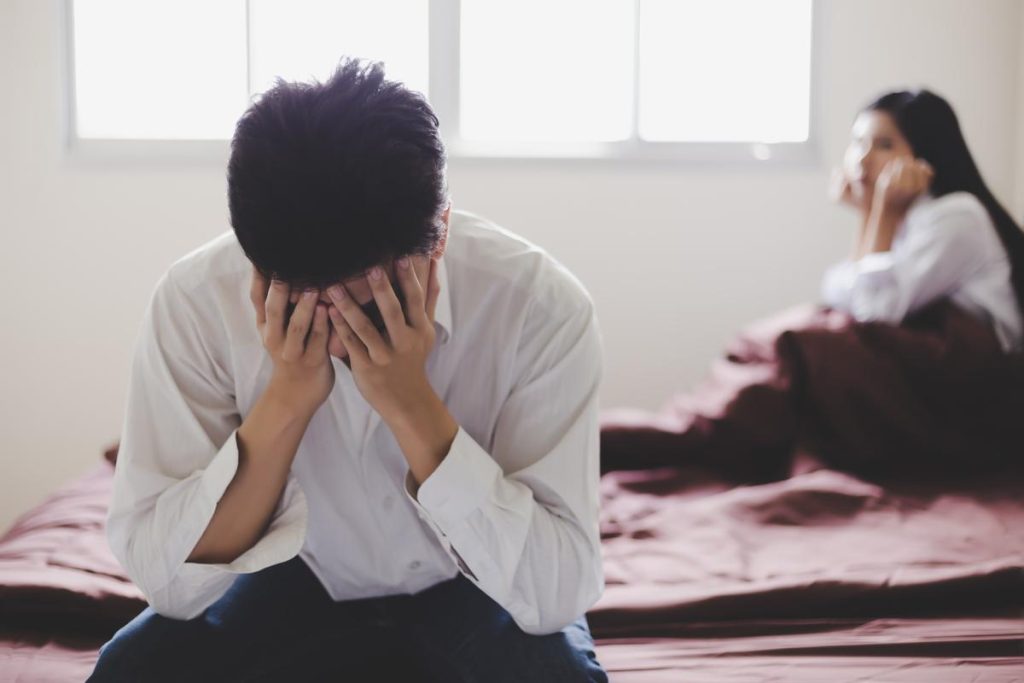
- Premature ejaculation (PE) due to anxiety is a prevalent sexual issue that affects many men.
- Anxiety can significantly contribute to PE, causing them to climax sooner than desired during sexual intercourse. Up to 30% of men with PE have an underlying anxiety issue [1].
- Premature ejaculation is a common sexual issue that many men experience at some point in their lives.
Premature ejaculation (PE) due to anxiety is a prevalent sexual issue that affects many men. Anxiety can significantly contribute to PE, causing them to climax sooner than desired during sexual intercourse.
Up to 30% of men with PE have an underlying anxiety issue [1]. The pressure to perform, fear of disappointing a partner, or excessive worrying can lead to heightened arousal and, consequently, a faster climax.
For those seeking specialized care and a tailored approach to address PE associated with anxiety, our luxury treatment center offers a comprehensive and exclusive environment, providing individualized assessments, customized treatment plans, and a holistic approach to enhance sexual performance and overall well-being.
Premature ejaculation is a common sexual issue that many men experience at some point in their lives. It’s a condition where a man ejaculates sooner than he or his partner would like during sexual intercourse. While there can be various factors contributing to PE, one significant and often overlooked cause is anxiety.
How Anxiety Causes Premature Ejaculation
Anxiety can play a pivotal role in causing premature ejaculation due to the following reasons:
Overthinking and Performance Pressure: When you’re anxious about your sexual performance, you tend to overthink things. This heightened mental pressure can lead to increased stress during sex, causing a faster climax.
Increased Muscle Tension: Anxiety often leads to tense muscles throughout the body, including those responsible for controlling ejaculation. This heightened muscle tension can trigger early ejaculation.
Heightened Nervous System Activity: Anxiety activates the sympathetic nervous system, which is responsible for the “fight or flight” response. This heightened nervous system activity can disrupt the balance needed for controlling ejaculation.
Distracted Mind: An anxious mind is often preoccupied with worries and negative thoughts, making it difficult to stay in the moment and delay ejaculation.
Sensitivity to Sensual Stimuli: Anxiety can make you more sensitive to sexual stimuli, making it harder to control arousal and ultimately leading to premature ejaculation [1].
How to Know If Anxiety Is the Cause
Identifying if anxiety is the root cause of your premature ejaculation can be crucial in addressing the issue. Here are some signs that suggest anxiety may be contributing to your PE:
Rapid Heartbeat: If you notice your heart racing during sexual activity, it could be a sign of anxiety-related PE.
Excessive Worry: If you find yourself worrying excessively about your sexual performance, it may be anxiety-related.
Difficulty Relaxing: If you struggle to relax and enjoy the moment during sex, anxiety might be a factor.
Repetitive Negative Thoughts: Constant negative thoughts about your sexual abilities can indicate anxiety-related PE.
History of Anxiety: If you have a history of anxiety disorders, you are more likely to experience anxiety-related PE [2].
Does Stress and Anxiety Increase Sex Drive
While anxiety and stress can negatively impact sexual performance, they can also affect sex drive differently for individuals. Here’s how:
Increased Sex Drive: For some people, stress and anxiety can lead to an increased sex drive. This is because stress hormones, like cortisol, can trigger a higher level of arousal and desire in certain individuals. However, this heightened libido may not necessarily translate into improved sexual performance.
Decreased Sex Drive: On the contrary, the question remains on the cards; Can stress cause premature ejaculation? The short answer is ‘Yes’. Chronic stress can disrupt hormonal balance and reduce sexual desire in some individuals. In such cases, stress and anxiety might not lead to premature ejaculation but rather a lack of interest in sexual activity [3].
Who Gets Premature Ejaculation Due to Anxiety
Anxiety-related premature ejaculation can affect men of all ages, but some demographics are more prone to this issue:
Younger Men: Younger men may be more susceptible to anxiety-related PE due to inexperience, performance pressure, and self-consciousness.
Men with Anxiety Disorders: Individuals with diagnosed anxiety disorders, such as generalized anxiety disorder or social anxiety disorder, are at a higher risk of experiencing anxiety-related PE.
Relationship Stress: Men going through relationship difficulties or experiencing a breakup may develop anxiety-related PE due to emotional turmoil.
High-Stress Occupations: Men in high-stress jobs, such as healthcare workers, first responders, or military personnel, may be more prone to anxiety-related PE [2].
How Common Is Anxiety-Related Premature Ejaculation
Anxiety-related premature ejaculation is more common than you might think.
While exact statistics can vary, research indicates that a significant portion of men with PE experience anxiety as a contributing factor.
One study suggests that up to 30% of men with PE have an underlying anxiety issue [1].
While PE is a common sexual disorder associated with anxiety, it’s not the only one. Anxiety can also contribute to various other sexual disorders, affecting both men and women.
Here are some of the sexual disorders related to anxiety:
Erectile Dysfunction (ED): Anxiety can lead to performance anxiety, making it difficult for men to achieve or maintain an erection. Worrying about sexual performance or fearing the inability to satisfy a partner can create stress and anxiety, which in turn can hinder the ability to get and maintain an erection.
Hypoactive Sexual Desire Disorder (HSDD): HSDD is characterized by a persistent lack of sexual desire, causing distress or relationship problems. Anxiety can reduce libido, making it challenging for individuals to feel sexually aroused or interested in sexual activities.
Vaginismus: Vaginismus is a condition in which the muscles around the vagina involuntarily contract, making penetration painful or impossible. Anxiety and fear of pain or discomfort during sex can trigger vaginismus. The anxiety can cause the pelvic floor muscles to tense up involuntarily.
Orgasmic Disorder: Orgasmic disorder involves difficulty reaching orgasm, even when there’s sufficient sexual stimulation. Anxiety can lead to an inability to relax and fully enjoy sexual activity, making it challenging to reach orgasm.
Dyspareunia: Dyspareunia is characterized by persistent pain during sexual intercourse. Anxiety can lead to muscle tension and heightened sensitivity, which can contribute to pain during sex.
Performance Anxiety: Performance anxiety is a broader term encompassing anxiety related to sexual performance in general, not limited to a specific disorder. Anxiety can create self-doubt and fear of sexual inadequacy, leading to performance anxiety that affects overall sexual satisfaction.
Anorgasmia: Anorgasmia refers to the inability to achieve orgasm, despite adequate sexual arousal and stimulation. Anxiety can interfere with the ability to fully relax and let go during sexual activity, making it challenging to reach orgasm.
Dealing with PE caused by anxiety can be challenging, but some several tips and strategies can help you regain control over your sexual performance.
In this section, we will explore these techniques without discussing treatment options like therapies and medications.
Relaxation Techniques
One of the key strategies to cope with anxiety-related premature ejaculation is learning to relax both your body and mind. Here’s how you can do it:
Deep Breathing: Practice deep breathing exercises to calm your nerves. Slow, deep breaths can help reduce anxiety and arousal levels during sex.
Progressive Muscle Relaxation: This technique involves tensing and then relaxing different muscle groups in your body. It can help reduce overall tension and anxiety.
Visualization: Before and during sexual activity, visualize yourself in a relaxed state, free from anxiety and pressure. This mental exercise can be surprisingly effective in controlling anxiety-related PE [1].
Mindfulness and Meditation
Mindfulness techniques and meditation can help you stay present in the moment and prevent anxiety from taking over.
Here’s how to incorporate them into your coping strategy:
Mindful Breathing: Focus on your breath during sex. This can help you stay grounded and reduce anxiety.
Body Scanning Meditation: Scan your body for areas of tension and consciously release that tension during sexual activity.
Stay in the Moment: Practice being fully present during sex rather than worrying about the outcome. Mindfulness can help you appreciate the experience rather than fearing it [2].
Communication with Your Partner
Open and honest communication with your partner is crucial when dealing with anxiety-related PE.
Here’s how to approach it:
Discuss Your Feelings: Talk to your partner about your anxiety and its impact on your sexual performance. Sharing your concerns can reduce the pressure you feel.
Set Realistic Expectations: Set realistic expectations for both you and your partner. Understand that occasional premature ejaculation from anxiety is normal and doesn’t define your entire sexual relationship.
Explore Together: Experiment with different sexual activities that may not focus solely on penetration. This can reduce performance pressure and help you both enjoy intimacy more [2].
Sensate Focus
Sensate focus exercises can help you become more aware of your body’s sensations and enhance your control over ejaculation:
Touch Exploration: With your partner, engage in touch exercises where you both explore each other’s bodies without the goal of intercourse. This can help reduce anxiety and increase comfort with physical intimacy.
Gradual Progression: As you become more comfortable with touch and sensations, gradually progress to more sexual activities. This step-by-step approach can help you gain confidence in your ability to control ejaculation [2].
Self-help Techniques
There are various self-help strategies you can employ to cope with anxiety-related PE:
Kegel Exercises: Strengthening your pelvic floor muscles through Kegel exercises can improve your ejaculatory control.
Masturbation Practice: Masturbating before sexual activity can help delay ejaculation during intercourse, as you might require more time to reach climax.
Condoms or Desensitizing Creams: Using condoms or desensitizing creams can reduce sensitivity, potentially helping you last longer during sex.
Practice and Patience: Recognize that overcoming anxiety-related PE may take time. Be patient with yourself and keep practicing techniques that work for you [1].
Lifestyle Changes
Certain lifestyle adjustments can also contribute to better control over anxiety-related PE:
Healthy Diet: Eating a balanced diet and staying hydrated can positively impact your overall sexual health and well-being.
Regular Exercise: Engaging in regular physical activity can help reduce anxiety and improve your stamina in bed.
Adequate Sleep: Ensure you get enough sleep as sleep deprivation can exacerbate anxiety and affect sexual performance.
Limiting Stimulants: Reducing or eliminating stimulants like caffeine, nicotine, and alcohol can help manage anxiety [3].
Educate Yourself
Understanding the root causes of your anxiety-related PE can be empowering. Knowledge can help you take control of the situation and reduce anxiety:
Read About Anxiety and PE: Educate yourself about anxiety and its connection to PE. This knowledge can demystify the issue and make it easier to address.
Seek Professional Advice: If anxiety-related PE persists, consider consulting a therapist or sexual health expert. They can provide tailored guidance and techniques to manage your specific situation [3].
Premature ejaculation can often be attributed to anxiety, and finding effective treatments is essential for improving your sexual satisfaction and overall well-being.
Let’s discuss the various therapies and medications that can help manage premature ejaculation associated with anxiety.
Psychological Therapies
Psychological therapies can be highly effective in addressing anxiety-related premature ejaculation. These therapies help individuals gain control over their anxiety and sexual performance. Some common psychological approaches include:
Cognitive-Behavioral Therapy (CBT): CBT is a structured therapy that focuses on identifying and changing negative thought patterns and behaviors. In the context of PE, it can help you manage anxiety, reduce performance pressure, and develop better ejaculatory control.
Sex Therapy: Sex therapists specialize in addressing sexual issues, including premature ejaculation. They provide guidance and strategies to enhance sexual performance and manage anxiety.
Mindfulness-Based Therapies: Mindfulness techniques, such as mindfulness-based cognitive therapy (MBCT) and mindfulness-based stress reduction (MBSR), can help you stay present during sexual activity, reducing anxiety and improving control.
Behavioral Techniques
Behavioral techniques involve specific exercises and practices to enhance ejaculatory control. These techniques are often combined with psychological therapies and may include:
The Stop-Start Technique: This technique involves stopping sexual activity when you feel you’re about to climax, allowing arousal to subside before resuming. Over time, this can help delay ejaculation.
The Squeeze Technique: Similar to the stop-start technique, the squeeze technique involves squeezing the base of the penis when you’re close to climax to delay ejaculation.
Edging: Edging is the practice of intentionally delaying orgasm during masturbation. It can help you become more aware of your arousal levels and improve control during sex.
Medications
Medications can be prescribed by healthcare professionals to manage anxiety-related premature ejaculation. These medications are generally taken as needed before sexual activity and can include:
Selective Serotonin Reuptake Inhibitors (SSRIs): SSRIs, commonly used to treat depression and anxiety, can help delay ejaculation. Some examples include sertraline and paroxetine. However, their use for PE is considered “off-label.”
Topical Anesthetics: These are creams or sprays that contain numbing agents like lidocaine or prilocaine. Applied to the penis, they reduce sensitivity and can extend the time to ejaculation.
Combination Therapies
In some cases, a combination of psychological therapies and medications may provide the most effective treatment for anxiety-related premature ejaculation. Your healthcare provider can help determine the best approach for your specific situation.
Luxury Treatment Centers for Anxiety-Related PE
For those seeking a more comprehensive and personalized approach to treating anxiety-related premature ejaculation, luxury treatment centers can offer a high-quality and exclusive experience. These centers provide a range of services tailored to individual needs, including:
Individualized Assessment: A thorough assessment of your condition to identify the specific factors contributing to anxiety-related PE.
Customized Treatment Plans: Treatment plans designed specifically for you, combining therapies, medications, and alternative approaches as needed.
Private and Comfortable Environment: Luxury treatment centers often provide private and comfortable settings, ensuring your privacy and well-being throughout the treatment process.
Highly Trained Professionals: Access to experienced and specialized healthcare professionals, therapists, and counselors who understand the complexities of anxiety-related PE.
Holistic Approach: Incorporation of holistic wellness practices, such as nutrition, fitness, and stress management, to address overall well-being and enhance treatment outcomes.
FAQs
The Article
About This Article
✔ Medically Reviewed
✔ Evidence-Based Sources
✔ Updated Regularly
✔ Clinically Verified
This article was written by THE BALANCE’s clinical content team and reviewed by a licensed medical or mental health professional (such as an MD, psychiatrist, clinical psychologist, or equivalent). Our reviewers ensure that the information reflects current research, accepted medical guidelines, and best practices in mental health and addiction treatment. THE BALANCE’s medical editors draw on extensive real-world clinical experience supporting individuals in residential, outpatient, and luxury private treatment settings across Europe and internationally.
Editorial Standards & Integrity
THE BALANCE follows strict editorial and clinical review standards to ensure accuracy, balance, and reliability:
- All medical statements rely on authoritative sources such as the WHO, NIMH, APA, NHS, CDC, and SAMHSA
- Statistics use the most recent and reliable research available
- No medical or therapeutic claims are made without clear, verifiable evidence
- Content is reviewed and updated regularly to reflect evolving science, treatment guidelines, and clinical best practices
- Commercial interests do not influence clinical accuracy; all clinical insights are reviewed independently
- Recommendations include context, limitations, and alternatives where appropriate
How We Review Sources
- Our clinical writers and editors rely on:
- Peer-reviewed research and meta-analyses
- National and international treatment guidelines
- Professional bodies and regulatory authorities
- Verified public data from reputable institutions
We do not use anecdotal reports, unverified claims, or commercially biased sources. Every factual claim is supported by established evidence.
Conflicts of Interest
THE BALANCE provides private mental health and addiction treatment services. However, our clinical reviewers ensure that all content remains objective, non-promotional, and balanced. When discussing treatment options, we outline limitations, risks, and alternatives. Our priority is reader safety and informed decision-making.
How to Use This Information Safely
Mental health and addiction conditions are complex and vary significantly between individuals. The information in this article is provided for general educational purposes only and should not replace professional medical advice, diagnosis, or treatment. If you or someone you know is experiencing symptoms, seek guidance from a qualified healthcare professional. To maintain accuracy and trust, THE BALANCE updates articles regularly as new research and clinical guidance become available.
Do you need help?
If you’re struggling, you don’t have to handle it alone. Support is available - whether you’re feeling overwhelmed, anxious, depressed, or dealing with alcohol or drug-related concerns. If you feel unsafe, are at risk of harming yourself, or someone else is in immediate danger, contact your local emergency number immediately.
Talk to Someone Now (Free & Confidential)
Choose your country to find a trusted helpline near you:
Spain
- Suicide & emotional crisis helpline: 024 (24/7, free, multilingual)
- Samaritans in Spain: 900 525 100 (24/7)
Switzerland
- Die Dargebotene Hand / La Main Tendue: 143 (24/7)
- Pro Juventute (youth): 147
United Kingdom
- Samaritans: 116 123 (24/7, free)
- NHS urgent mental health support: call 111 (24/7)
United States
- 988 Suicide & Crisis Lifeline — call, text, or chat 988 (24/7)
Canada
- 9-8-8 Suicide Crisis Helpline — call or text 988 (24/7, nationwide)
- Talk Suicide Canada (alternate): 1-833-456-4566
France
- National suicide prevention number: 3114 (24/7, free)
Germany
- TelefonSeelsorge: 116 123
- Alternate numbers: 0800 111 0 111 / 0800 111 0 222
Italy
- Telefono Amico Italia: 800 860 022 or 02 2327 2327
Not an Emergency, but You Want Support?
If you’re not in immediate danger but are worried about yourself or someone you care about, reaching out early can make a meaningful difference.
Explore Care Options Near You
This website lists verified mental health professionals, addiction specialists, and treatment programs searchable by country and location. Use the “Find treatment” / “Providers” section to explore available options.
Or Reach Out to Us
If you’d like help understanding next steps, you can contact our team confidentially. We’ll listen without judgment and help you explore appropriate options.
Contact our team
- Phone: +41445005111
- Email: help@thebalance.clinic
- Availability: Mon–Sun, 07:00–22:00 CET
Not sure what to say? You can simply write: “I need help.” We’ll take it from there.