
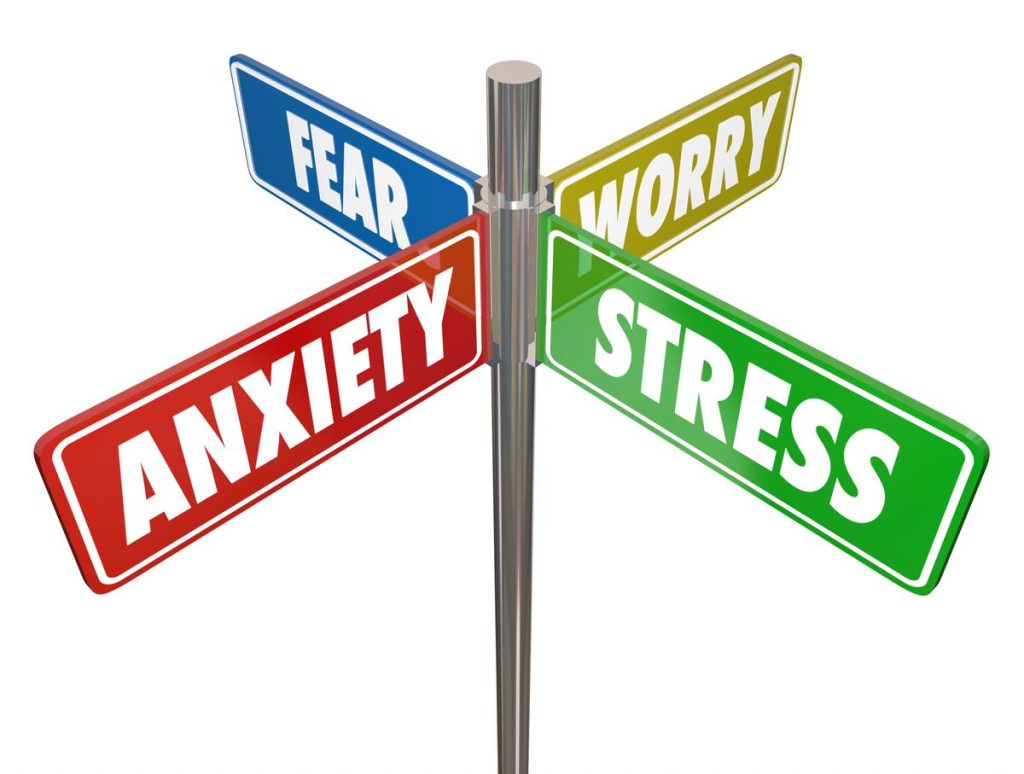
- People often confuse these symptoms for each other because they share similar symptoms.
- However, despite their near proximity, these intense emotions are vastly different.
- As we prepare to act, changes in brain chemistry cause our hearts to beat quicker and our palms to sweat.
Stress and anxiety are conditions of overlapping nature. People often confuse these symptoms for each other because they share similar symptoms. However, what we need to know is that stress and anxiety are distinct conditions and can impact the life of a sufferer in various ways. Learn more about the differences and similarities between stress and anxiety symptoms below along with the management and treatment options.
Many people mistakenly believe that stress and anxiety are the same things. However, despite their near proximity, these intense emotions are vastly different.
Stress is a natural reaction to challenge. As we prepare to act, changes in brain chemistry cause our hearts to beat quicker and our palms to sweat. We may be jittery, furious, or frustrated. Stress also has positive outcomes such as pumping a person to meet the challenges. For example, we if continue with the example mentioned previously. Stress for the assignment may motivate the student to make an outstanding assignment and get applause from the teacher in front of the entire class. (source: NIMH, n.d.)
Anxiety is a stress response. It occurs when people believe they are unable of dealing with the pressure they are under. They are concerned and terrified due to their lack of control.
Stress and anxiety are the body’s natural responses to challenges. However, when your stress or anxiety is getting out of hand and began to significantly impact your daily life functioning that might be the sign that you are suffering from chronic stress and anxiety. Chronic anxiety is further divided into several types such as generalized anxiety disorder(GAD) or panic attacks. Below are the common signs of stress and anxiety.
Symptoms of Anxiety
Psychological symptoms
- Nervousness, restlessness, or being tense
- Feelings of danger, panic, or dread
- Difficulty focusing or thinking clearly about anything other than the thing you’re worried about
- A strong desire to avoid the things that trigger your anxiety
- Obsessions about certain ideas, a sign of obsessive-compulsive disorder (OCD)
- Performing certain behaviors over and over again
- Anxiety surrounding a particular life event or experience that has occurred in the past, especially indicative of post-traumatic stress disorder (PTSD)
Physical symptoms (source: APA, n.d.)
- Rapid heart rate
- Rapid breathing, or hyperventilation
- Increased or heavy sweating
- Trembling or muscle twitching
- Weakness and lethargy
- Insomnia
- Digestive or gastrointestinal problems, such as gas, constipation, or diarrhea
Symptoms of Stress
Cognitive symptoms
- Memory problems
- Concentration Problems
- Poor judgment
- Focusing more on negative aspects
- Anxious or racing thoughts
- Worrying all the time
Emotional symptoms
- Depression or general sadness
- Anxiety and agitation
- Moodiness, irritability, or anger
- Feeling overwhelmed
- Loneliness and isolation
Physical symptoms
- Aches and pains
- Diarrhea or constipation
- Nausea, dizziness
- Chest pain, rapid heart rate
- Loss of sex drive
- Frequent colds or flu
- Behavioral symptoms:
- Eating more or less
- Sleeping too much or too little
- Withdrawing from others
- Procrastinating or neglecting responsibilities
- Using alcohol, cigarettes, or drugs to relax
- Nervous habits (such as nail-biting, pacing)
Most people use the terms stress and anxiety interchangeably as if they are the same things. However, they are not the same and we are going to explore the differences among anxiety and stress below (source: MedlinePlus, n.d.)
- Stress is the response to anything happening in your life. It’s rational and can be motivational to increase performance. Anxiety is something that no one should have to live with on daily basis. Anxiety can make you nervous and decrease your performance.
- Stress is challenging but often manageable. Whereas, anxiety can start from stress and may go out of your control.
- Stress is mostly short-term and anxiety on the other can linger.
- Stress is in response to a recognized trigger and anxiety may not have an identifiable trigger.
- Certain events, such as dealing with arrangements for the loss of a loved one, are difficult for everyone. Anxiety is a more exaggerated reaction. It’s possible that the worry and distress you’re experiencing in a specific scenario is anxiety rather than stress if it’s uncommon, excessive, or out of proportion to other people’s reactions.
Anxiety or stress causes you to do more than worry. It can also cause or exacerbate other mental and physical problems, such as:
- Depression or other mental health illnesses (which frequently coexist with anxiety disorders)
- Misuse of drugs
- Sleeping problems (insomnia)
- Problems with the intestines or bowels
- Chronic pain and headaches
- Problems with social isolation, school or work performance, and overall quality of life
- Suicide
Natural Remedies
Natural cures are generally considered safe to employ in conjunction with more traditional medical treatments. However, dietary changes and some natural supplements might alter the way antianxiety drugs work, so it’s important to speak with a doctor before using these remedies. Other natural therapies may also be recommended by the doctor.
Relaxation techniques (source: NHS, n.d.)
In response to anxiety or stress, some people unconsciously tense their muscles and clench their jaws. Relaxation techniques that are progressive in nature can be beneficial.
Start with the toes and work your way up to the shoulders and jaw by resting in a comfortable position and slowly tightening and relaxing each muscle group.
Meditation (source: ADAA, n.d.)
Meditation can help to calm racing thoughts, making stress and anxiety easier to manage. A variety of meditation techniques, including mindfulness and yoga-based meditation, may be beneficial.
In therapy, mindfulness-based meditation is becoming increasingly popular. According to a 2010 meta-analytic evaluation, it can be quite useful for persons with mood and anxiety problems.
Writing
Finding a means to communicate your worry can help you feel more in control. According to several studies, journaling and other forms of writing can help people cope with anxiety better. Creative writing can help children and teens cope with anxiety or stress. (source: NICE, n.d.)
Supplements made from herbs
Many herbal products, like herbal teas, claim to help with anxiety or stress. However, there is little scientific data to back up these assertions.
It’s critical to consult with a doctor who is familiar with herbal supplements and their potential medicine interactions. (source: NIH/NCCIH, n.d.)
Therapy and counseling
Anxiety and stress are commonly treated with psychological counseling and therapy. Psychotherapy, such as cognitive-behavioral therapy (CBT), or a combination of treatment and counseling may be used. CBT tries to identify and change negative thought patterns that can lead to anxiety and troubling feelings, as well as limit erroneous thinking and adjust the scale and severity of stressor reactions. These aids people in controlling how their bodies and minds react to various triggers. Another treatment option is psychotherapy, which is speaking with a skilled mental health expert and addressing the source of an anxiety disorder. Sessions could focus on anxiety triggers and possible coping techniques.
Medications
Anxiety or stress problem treatment can be aided by a variety of medications. Other medications may aid in the management of some physical and mental problems. These are some of them:
Tricyclics are a class of medications that have shown to be effective in treating most anxiety disorders (such as OCD). Drowsiness, dizziness, and weight gain are all documented side effects of these medications. Imipramine and clomipramine are two examples of tricyclics.
Benzodiazepines: These are only available with a prescription and are highly addictive, thus they are rarely used as a first-line treatment. Diazepam, also known as Valium, is a popular benzodiazepine used to treat anxiety. (source: StatPearls, 2025)
Antidepressants: While antidepressants are most typically used to treat depression, they are also used to treat a variety of anxiety disorders. One alternative is serotonin reuptake inhibitors (SSRIs), which have fewer negative effects than previous antidepressants. At the start of treatment, they’re still likely to cause nausea and sexual dysfunction. Fluoxetine and citalopram are two examples.
Other anxiety-relieving drugs include:
- monoamine oxidase inhibitors beta-blockers (MAOIs)
- buspirone
Withdrawal symptoms, such as brain zaps, can occur when you stop taking some medications, particularly antidepressants. These are sharp jolts in the head that feel like electric shocks. (source: NIMH, n.d. (PTSD))
After a lengthy period of taking anti-depressants, someone who wants to change their approach to managing anxiety disorders should talk to their doctor about the best way to transition away from medicines.
If you have any severe, negative, or unexpected side effects after taking any prescription medications, notify your doctor right once.
Although it’s impossible to foretell what will lead someone to get a stress or anxiety disorder, you can take efforts to lessen the severity of symptoms if you’re worried. Get aid as soon as possible. If you wait, anxiety, like many other mental health issues, can become more difficult to cure. Continue to be active. Participate in things that make you feel good about yourself and that you enjoy. Take pleasure in social interaction and caring relationships, which can help you relax.
FAQs
The Article
References
- World Health Organization. (n.d.). Mental health: Stress. [who.int]
- American Psychiatric Association. (n.d.). What are anxiety disorders? [psychiatry.org]
- Substance Abuse and Mental Health Services Administration. (n.d.). Managing stress. [samhsa.gov]
About This Article
✔ Medically Reviewed
✔ Evidence-Based Sources
✔ Updated Regularly
✔ Clinically Verified
This article was written by THE BALANCE’s clinical content team and reviewed by a licensed medical or mental health professional (such as an MD, psychiatrist, clinical psychologist, or equivalent). Our reviewers ensure that the information reflects current research, accepted medical guidelines, and best practices in mental health and addiction treatment. THE BALANCE’s medical editors draw on extensive real-world clinical experience supporting individuals in residential, outpatient, and luxury private treatment settings across Europe and internationally.
Editorial Standards & Integrity
THE BALANCE follows strict editorial and clinical review standards to ensure accuracy, balance, and reliability:
- All medical statements rely on authoritative sources such as the WHO, NIMH, APA, NHS, CDC, and SAMHSA
- Statistics use the most recent and reliable research available
- No medical or therapeutic claims are made without clear, verifiable evidence
- Content is reviewed and updated regularly to reflect evolving science, treatment guidelines, and clinical best practices
- Commercial interests do not influence clinical accuracy; all clinical insights are reviewed independently
- Recommendations include context, limitations, and alternatives where appropriate
How We Review Sources
- Our clinical writers and editors rely on:
- Peer-reviewed research and meta-analyses
- National and international treatment guidelines
- Professional bodies and regulatory authorities
- Verified public data from reputable institutions
We do not use anecdotal reports, unverified claims, or commercially biased sources. Every factual claim is supported by established evidence.
Conflicts of Interest
THE BALANCE provides private mental health and addiction treatment services. However, our clinical reviewers ensure that all content remains objective, non-promotional, and balanced. When discussing treatment options, we outline limitations, risks, and alternatives. Our priority is reader safety and informed decision-making.
How to Use This Information Safely
Mental health and addiction conditions are complex and vary significantly between individuals. The information in this article is provided for general educational purposes only and should not replace professional medical advice, diagnosis, or treatment. If you or someone you know is experiencing symptoms, seek guidance from a qualified healthcare professional. To maintain accuracy and trust, THE BALANCE updates articles regularly as new research and clinical guidance become available.
Do you need help?
If you’re struggling, you don’t have to handle it alone. Support is available - whether you’re feeling overwhelmed, anxious, depressed, or dealing with alcohol or drug-related concerns. If you feel unsafe, are at risk of harming yourself, or someone else is in immediate danger, contact your local emergency number immediately.
Talk to Someone Now (Free & Confidential)
Choose your country to find a trusted helpline near you:
Spain
- Suicide & emotional crisis helpline: 024 (24/7, free, multilingual)
- Samaritans in Spain: 900 525 100 (24/7)
Switzerland
- Die Dargebotene Hand / La Main Tendue: 143 (24/7)
- Pro Juventute (youth): 147
United Kingdom
- Samaritans: 116 123 (24/7, free)
- NHS urgent mental health support: call 111 (24/7)
United States
- 988 Suicide & Crisis Lifeline — call, text, or chat 988 (24/7)
Canada
- 9-8-8 Suicide Crisis Helpline — call or text 988 (24/7, nationwide)
- Talk Suicide Canada (alternate): 1-833-456-4566
France
- National suicide prevention number: 3114 (24/7, free)
Germany
- TelefonSeelsorge: 116 123
- Alternate numbers: 0800 111 0 111 / 0800 111 0 222
Italy
- Telefono Amico Italia: 800 860 022 or 02 2327 2327
Not an Emergency, but You Want Support?
If you’re not in immediate danger but are worried about yourself or someone you care about, reaching out early can make a meaningful difference.
Explore Care Options Near You
This website lists verified mental health professionals, addiction specialists, and treatment programs searchable by country and location. Use the “Find treatment” / “Providers” section to explore available options.
Or Reach Out to Us
If you’d like help understanding next steps, you can contact our team confidentially. We’ll listen without judgment and help you explore appropriate options.
Contact our team
- Phone: +41445005111
- Email: help@thebalance.clinic
- Availability: Mon–Sun, 07:00–22:00 CET
Not sure what to say? You can simply write: “I need help.” We’ll take it from there.