

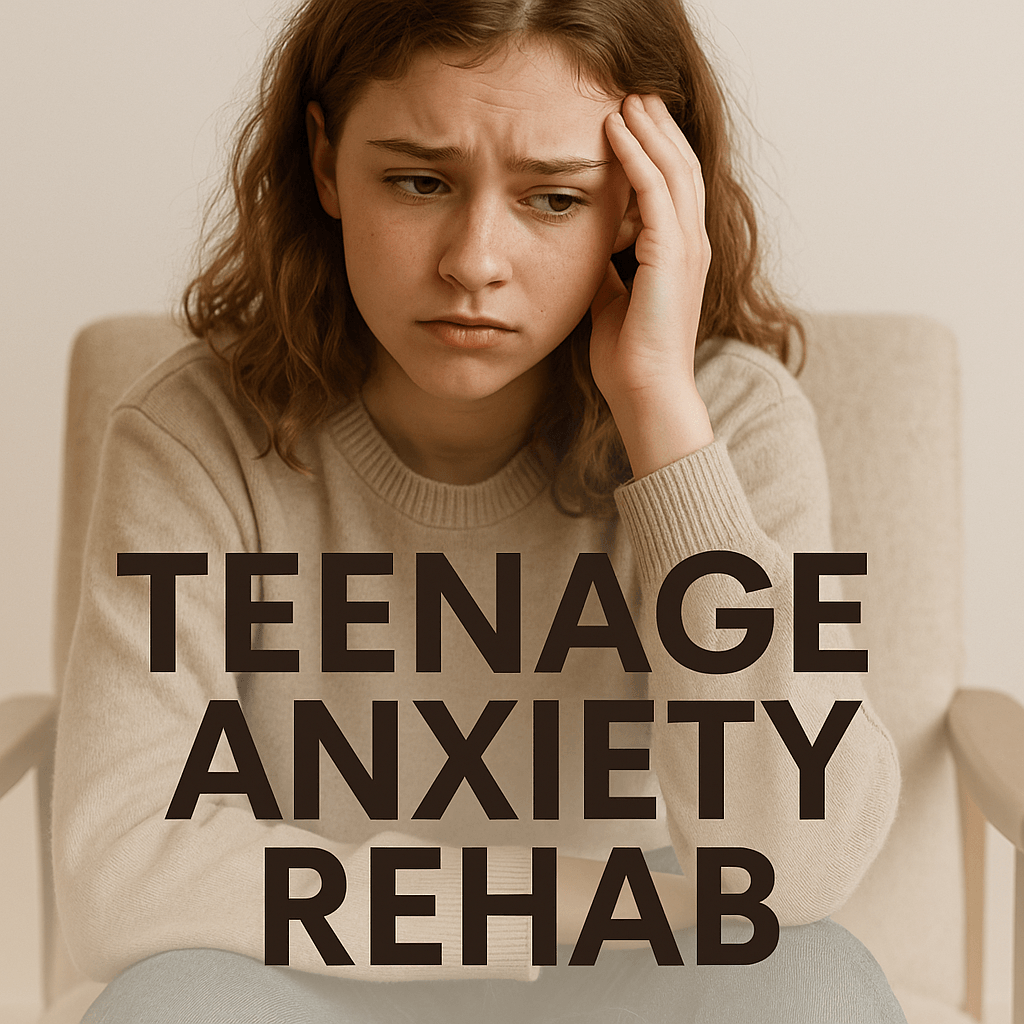
- Anxiety is a normal part of growing up — but for many teenagers, it can become overwhelming and all-consuming.
- When constant worry, panic, or fear begins to interfere with school, friendships, sleep, or confidence, it may be more than just typical teenage stress.
- Teen anxiety disorders are among the most common mental health conditions affecting adolescents today, often leading to academic struggles, social withdrawal, or harmful coping behaviors if left untreated.
Anxiety is a normal part of growing up — but for many teenagers, it can become overwhelming and all-consuming. When constant worry, panic, or fear begins to interfere with school, friendships, sleep, or confidence, it may be more than just typical teenage stress. Teen anxiety disorders are among the most common mental health conditions affecting adolescents today, often leading to academic struggles, social withdrawal, or harmful coping behaviors if left untreated.
At THE BALANCE Rehab Clinic, we understand how deeply anxiety can affect young minds and families. Our specialized teen anxiety treatment programs integrate evidence-based therapies with holistic wellness in a safe, supportive environment. Each plan begins with a detailed psychiatric and lifestyle assessment, followed by tailored interventions such as cognitive-behavioral therapy (CBT), family counseling, mindfulness, nutrition therapy, and restorative activities like yoga and meditation.
With compassionate guidance from our multidisciplinary team, teenagers learn to regulate emotions, overcome fears, and rediscover balance. THE BALANCE Rehab Clinic offers a sanctuary of understanding and renewal — where young people can reclaim peace of mind and build emotional strength for the future.
Key Takeaways
- Teen anxiety is more than stress: Persistent worry and fear that disrupt daily life may indicate an anxiety disorder.
- Early help prevents escalation: Timely treatment reduces the risk of depression, self-harm, or substance use.
- Evidence-based care works best: Therapies like CBT and mindfulness teach coping skills and emotional control.
- Family involvement is crucial: Parental support and open communication accelerate recovery.
- Holistic healing environment: Balanced routines, good nutrition, and calming practices strengthen long-term wellness.
- Comprehensive levels of care: From outpatient counseling to residential programs, each plan adapts to the teen’s needs.
Related: Residential Depression Rehab for Teens (source: NIMH, 2024)
FAQs
Find another mental health specialist who will hear your concerns if your physician or therapist is reluctant to try a new treatment technique or won’t hear your concerns.
You may also set an example for your teen by prioritizing anxiety treatment. In the first instance, speak with your doctor or another mental health expert. You might want to consider other options for yourself, such as meditation, exercise, or a creative outlet. There are also numerous excellent applications and online videos available to assist you.